
Introduction:
Why Snorkeling Is More Than Just a Water Activity
Snorkeling is often perceived as a simple recreational activity, but in reality, it is a gateway to an entirely different world hidden beneath the ocean’s surface. When you look at the sea from above, it may appear as a vast blue empty space, but beneath it lies a vibrant ecosystem full of life, colors, movement, and astonishing biodiversity. From coral reefs to schools of tropical fish and even larger marine creatures, snorkeling allows you to witness this underwater world without the need for complex diving equipment or professional certification.
The reason snorkeling is accessible to almost everyone is its simplicity. You do not need years of training or expensive gear. However, despite its simplicity, many beginners struggle during their first experience due to a lack of understanding of basic techniques such as breathing correctly, maintaining buoyancy, or handling water entering the mask or snorkel.
This guide is designed to be a complete educational resource that walks you through every essential aspect of snorkeling, from selecting the right equipment to mastering breathing techniques and solving common problems that beginners often face.

Understanding the Basics of Snorkeling Before Entering the Water
Before entering the sea, it is important to understand how snorkeling actually works. The concept is simple: you float on the water’s surface while using a snorkel tube to breathe air, allowing your face to remain underwater so you can observe marine life continuously without lifting your head.
However, the real challenge is not the equipment itself but adapting to an unfamiliar environment. The human body is not naturally used to breathing exclusively through the mouth or floating for extended periods on the surface of water. This is why beginners need time to adjust and feel comfortable with the new sensation.
One of the most important mental shifts in snorkeling is understanding that it is not a competitive activity. It is not about speed or distance; it is about relaxation, awareness, and comfort. The calmer you are in the water, the better your overall experience will be.
Choosing the Right Snorkeling Equipment and Why It Matters
The quality and fit of your equipment can completely transform your snorkeling experience. In fact, most beginner difficulties come from poorly fitted or low-quality gear rather than lack of skill.
The Snorkeling Mask
The mask is your window to the underwater world. It must provide a tight seal around your face without causing discomfort. If the mask does not fit properly, water will continuously leak inside, breaking your focus and making the experience frustrating.
A good mask should fully cover your eyes and nose while creating a vacuum seal that prevents water entry. Before purchasing or using a mask, it is recommended to test it by placing it on your face without using the strap and gently inhaling through your nose. If the mask stays in place, it is likely a good fit.
A well-fitted mask not only improves visibility but also reduces anxiety underwater, allowing you to focus on enjoying the marine environment rather than worrying about leaks.
The Snorkel Tube
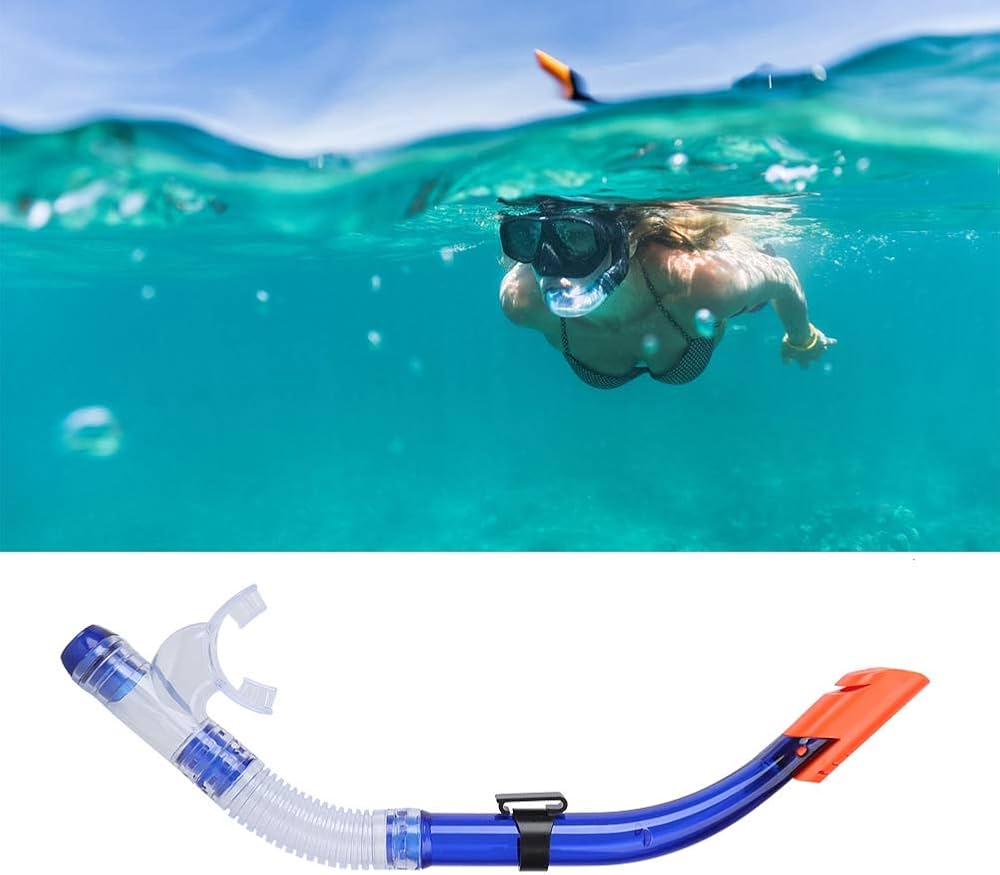
The snorkel is the breathing tube that allows you to stay at the surface without lifting your head. Modern snorkels often include a purge valve, which helps remove water easily if it enters the tube.
Comfort is extremely important here because you will be using the mouthpiece for extended periods. An uncomfortable snorkel can cause jaw fatigue and reduce your ability to relax in the water.
It is also recommended to choose a snorkel with a splash guard at the top, which helps reduce water entry caused by waves or surface splashes.
Fins (Flippers)
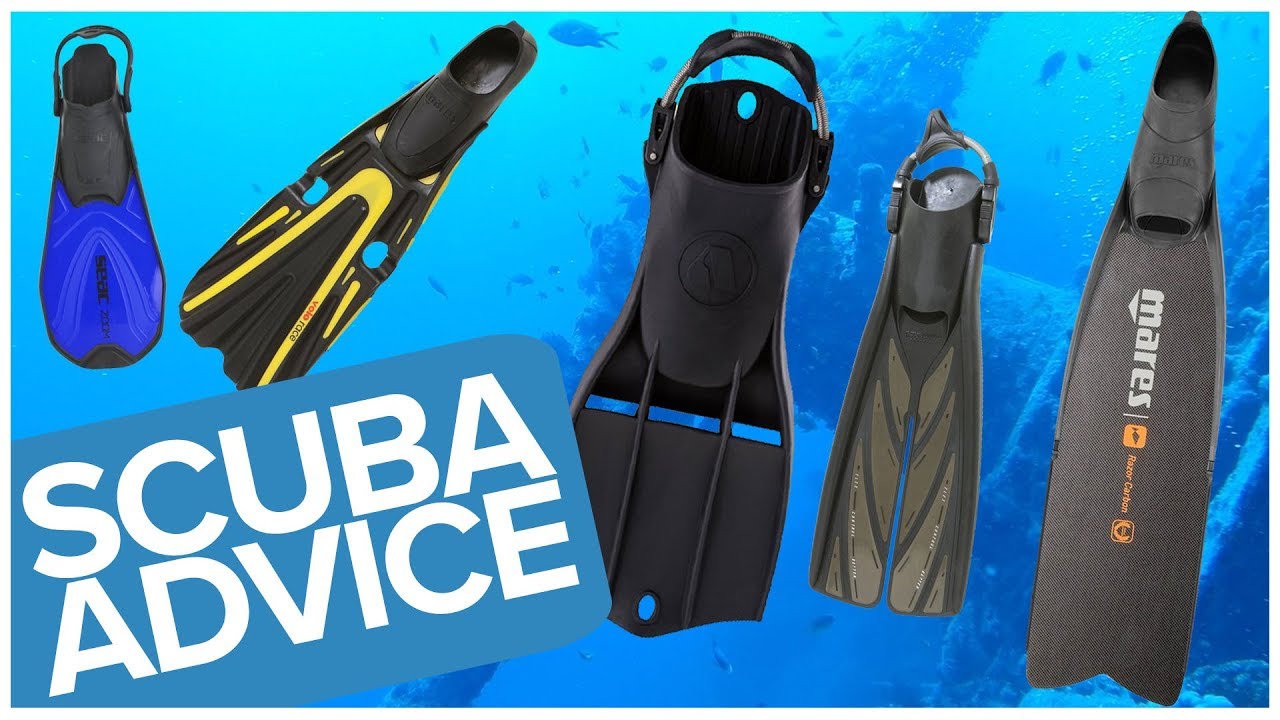
Fins are not optional accessories; they are essential tools that significantly improve your movement efficiency in water. Many beginners attempt snorkeling without fins and quickly realize how exhausting it becomes.
Fins increase propulsion, allowing you to move smoothly with minimal effort. However, proper technique is crucial. Instead of kicking from the knees, movement should originate from the hips in slow, controlled motions. This reduces fatigue and prevents muscle strain.
How to Prepare Before Entering the Sea
Proper preparation is a key factor in ensuring a safe and enjoyable snorkeling experience. Many beginners skip this step and face unnecessary difficulties once they enter the water.
First, always check sea conditions. Avoid snorkeling during strong waves, strong currents, or poor visibility conditions. Calm water is essential for both safety and enjoyment, especially for beginners.
Second, prepare yourself mentally. Anxiety is one of the biggest barriers in snorkeling. When a person feels nervous, breathing becomes irregular, which leads to discomfort even in safe conditions. Staying calm before entering the water significantly improves performance.
Light stretching exercises are also recommended before snorkeling. Stretching the legs, shoulders, and neck helps reduce muscle cramps and prepares the body for movement in water.
How to Breathe Correctly While Snorkeling

Breathing is one of the most challenging aspects for beginners. In everyday life, humans naturally breathe through both the nose and mouth. However, snorkeling requires exclusive mouth breathing, which feels unfamiliar at first.
The best way to adapt is to practice before entering deep water. Start in shallow water or even on land by wearing your mask and snorkel and practicing slow, deep breathing. The goal is not rapid oxygen intake but maintaining a steady, relaxed breathing rhythm.
A common mistake beginners make is panic breathing—rapid, shallow inhalations caused by anxiety. This creates a false sensation of breathlessness even when oxygen supply is sufficient.
If water enters the snorkel, there is no need to panic. Simply exhale forcefully through the mouthpiece to clear the tube. With practice, this becomes a natural and automatic response.
Proper Movement Technique in the Water
Movement in snorkeling is very different from regular swimming. The goal is efficiency, not speed.
Your body should remain horizontal near the water surface to minimize resistance. This position allows smoother movement and reduces energy consumption significantly.
Fin movements should be slow and controlled. Instead of fast, aggressive kicks, use long, fluid motions originating from the hips. This technique ensures better propulsion and prevents early fatigue.
Sudden movements should be avoided, as they can disturb marine life and reduce your balance in the water.
Common Snorkeling Problems and How to Solve Them
Water Entering the Snorkel
This often happens due to waves or incorrect positioning. The solution is to use the purge valve or exhale strongly to clear the tube immediately.
Mask Fogging
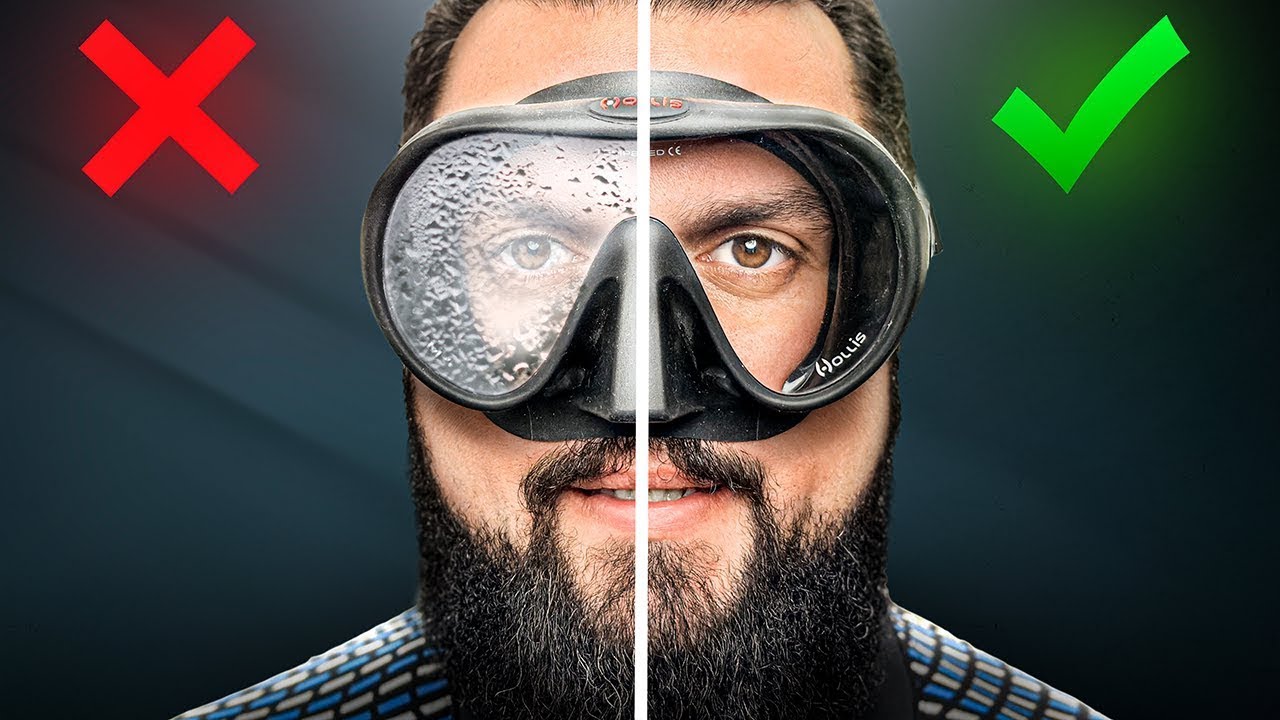
Fogging inside a snorkeling or diving mask occurs mainly due to temperature differences between the warm air inside the mask and the cooler water outside, along with moisture buildup caused by breathing. When these two factors combine, tiny water droplets form on the inner surface of the lens, creating a blurry layer that reduces underwater visibility and can interrupt the snorkeling or diving experience.
Fortunately, this problem can be effectively prevented by using anti-fog solutions specifically designed for diving masks, or by properly rinsing and preparing the mask before each use to remove any oils or residues that contribute to condensation. With the right preparation techniques, it is possible to maintain clear vision throughout your underwater activity.
For a more detailed step-by-step explanation of how to completely solve this issue, you can read the full article on solving mask fogging during snorkeling and diving, where all prevention methods, quick fixes, and professional tips are explained in depth.
Water Leakage in the Mask
This usually results from improper fitting or hair trapped under the seal. Adjusting the strap and ensuring a clean seal solves this issue.
Anxiety or Shortness of Breath
This is not caused by lack of oxygen but by stress. The solution is to stop moving, float calmly, and focus on slow, controlled breathing.
Muscle Cramps
Cramps are typically caused by dehydration or overexertion. Proper hydration and warm-up exercises significantly reduce this risk.
Safety Tips for Snorkeling
Safety should always be the top priority. Never snorkel alone, as having a buddy increases safety and confidence.
Avoid areas with strong currents, boat traffic, or unsafe water conditions. Always choose designated snorkeling or swimming zones whenever possible.
It is also important not to touch coral reefs, as they are living organisms that are extremely sensitive and easily damaged.
Respecting the Marine Environment
The underwater ecosystem is delicate and must be treated with care. Avoid chasing fish or disturbing marine life, as this disrupts natural behavior and causes unnecessary stress to animals.
Never stand on or break coral reefs, as they take decades to grow and play a vital role in marine biodiversity.
Health and Mental Benefits of Snorkeling
Snorkeling is not only a recreational activity but also a highly beneficial physical and mental exercise. It improves cardiovascular endurance and enhances lung capacity due to controlled breathing patterns.
On a psychological level, being immersed in a calm underwater environment has a deeply relaxing effect. Many people describe snorkeling as a form of natural meditation that reduces stress and improves overall mood.
Conclusion: A Journey Worth Experiencing
Snorkeling is one of the simplest yet most rewarding ways to explore the ocean. With proper techniques, the right equipment, and a calm mindset, anyone can enjoy a safe and unforgettable underwater experience.
Whether you are a beginner or looking to improve your skills, mastering these fundamentals will significantly enhance your comfort, safety, and enjoyment in the water.
Explore Snorkeling Trips
You can explore a wide range of snorkeling trips and marine excursions offered in coastal destinations where crystal-clear waters and rich marine life create ideal conditions for beginners and experienced snorkelers alike. These organized experiences provide safe access to some of the most beautiful underwater locations, making it easier to enjoy snorkeling without worrying about logistics or safety concerns.


