
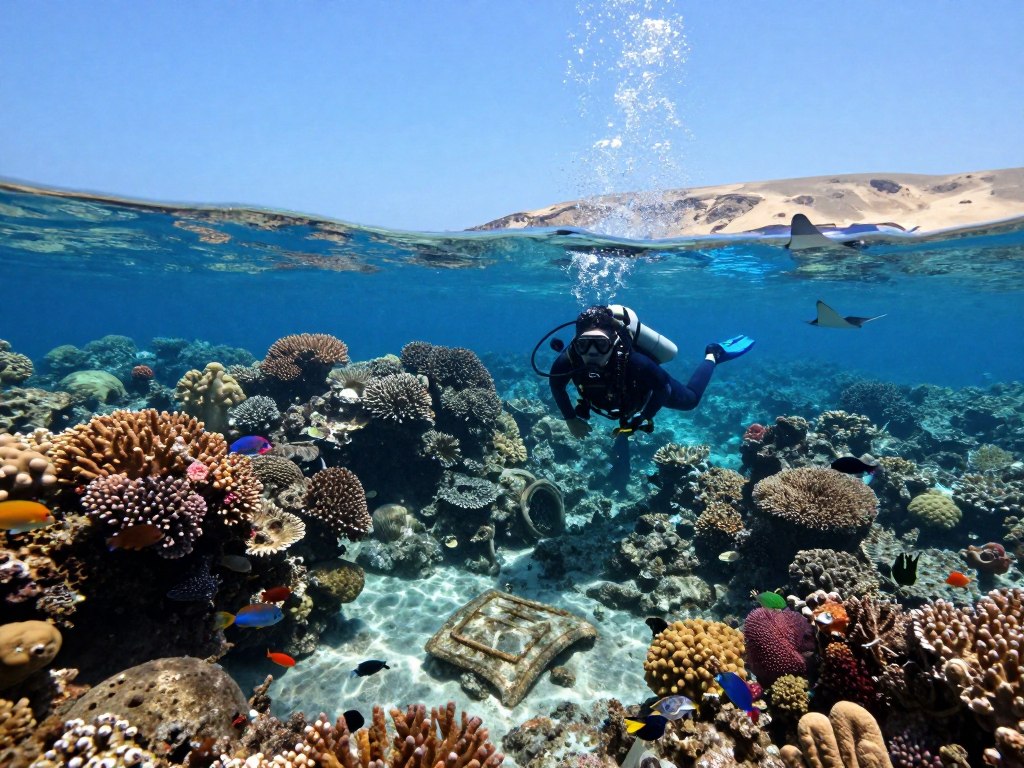
Welcome to your ultimate guide to thrilling underwater experiences in Egypt! If you're an experienced diver looking for your next challenge, you're in the right spot. Imagine being surrounded by vibrant coral reefs and exploring legendary wrecks. You'll also meet the diverse marine life that calls these waters home.
Egypt's coastline is a diver's dream, with breathtaking spots waiting to be found. From the dramatic drop-offs of Ras Mohammed to the enchanting wrecks of the Red Sea, every dive is an adventure. You'll see why divers from all over the world come back year after year.
In this guide, we'll take you through the top diving spots. We'll share insights and tips to help plan your adventure. Plus, we'll show you bookable trips on jukadi.com for advanced divers. Get ready to explore the depths of one of the world's most iconic diving spots!
Key Takeaways
- Discover the best diving locations along Egypt's stunning coastline.
- Learn about the legendary wrecks and vibrant marine life.
- Find tips for planning your diving adventure.
- Explore options for bookable trips tailored for advanced divers.
- Experience the thrill of diving in one of the world's top destinations.
Overview of Advanced Diving in Egypt
Egypt is a top spot for unforgettable underwater adventures. Its warm, clear waters invite explorers all year. With amazing visibility and diverse sea life, Egypt is a best dive location globally.
Egypt's unique spot at the Red Sea's crossroads makes it a diver's dream. The Red Sea is full of marine life, perfect for all divers. Whether you're new or experienced, you'll find something amazing underwater.
Why Egypt is a Diver's Haven
Egypt's diving is almost perfect. The water is warm, from 70°F to 85°F, making dives long and comfortable. Plus, the visibility is over 100 feet, showing off the beautiful underwater scenes.
The area's rich history makes diving even more exciting. You'll see ancient shipwrecks and colorful coral reefs. Friendly local dive centers offer expert advice and ensure your safety.
The Rich Marine Life of Egyptian Waters
The sea life in Egypt is incredible. Imagine diving through vibrant coral gardens and seeing big pelagic species. You'll also find tiny creatures that macro photographers love. Every dive is a chance to see the underwater world's wonders.
When planning your dive trip, check out jukadi.com for a detailed guide to the best dive locations in Egypt. This guide will help you find the best spots, so you don't miss out on the treasures under the sea.
The Red Sea: A Diver's Playground
The Red Sea is a stunning underwater paradise that attracts divers worldwide. It's known for its rich biodiversity and breathtaking landscapes. What makes it unique? Let's explore its extraordinary features.
What Makes the Red Sea Unique
The Red Sea is famous for its geological history and vibrant ecosystem. Here are some key elements that make it unique:
- Exceptional Clarity: The water clarity often exceeds 100 feet, providing an unparalleled view of the underwater world.
- Diverse Marine Life: Home to over 1,200 species of fish and numerous coral reefs, the Red Sea is a haven for marine biodiversity.
- Unique Coral Reefs: You will encounter both hard and soft corals in stunning colors, creating a visual feast.
- Warm Waters: The temperatures remain comfortable year-round, making it ideal for diving at any time.
As diving enthusiasts often say, “The Red Sea is where the ocean comes alive.” This vibrant environment makes it a must-visit for any diver.
Seasonal Diving in the Red Sea
Understanding the seasonal patterns in the Red Sea can significantly enhance your diving experience. Here’s what to expect throughout the year:
- Winter (December to February): Cooler temperatures attract hammerhead sharks, making it thrilling for adventurous divers.
- Spring (March to May): As temperatures rise, visibility improves, and marine life becomes more active.
- Summer (June to August): The calmest waters make for excellent diving conditions, perfect for beginners and seasoned divers alike.
- Fall (September to November): This is a great time to see migrating species and enjoy less crowded dive sites.
For those eager to explore these seasonal wonders, consider booking a liveaboard trip through jukadi.com. They offer tailored packages that align perfectly with your preferred diving window.
With its unique features and seasonal diversity, the Red Sea truly offers a diving experience like no other. Whether you are seeking adventure or relaxation, this underwater playground is sure to exceed your expectations.
The Best Advanced Diving Locations in Egypt
As you start your diving adventure in Egypt, you'll find some amazing must-see underwater sites. These places are not just beautiful; they also challenge experienced divers. Here are three top diving spots you can't miss:
Ras Mohammed National Park
Ras Mohammed National Park is a dream spot for divers at the Sinai Peninsula's southern tip. It's known for its incredible wall dives and colorful coral reefs. The area's strong currents bring in big pelagic fish, making it exciting for divers.
When diving here, you'll see:
- Colorful coral gardens
- Diverse marine species, including sharks and barracudas
- Stunning underwater topography
For guided trips to Ras Mohammed, check out jukadi.com.
Abu Nuhas Shipwreck
Abu Nuhas is known as the "ship graveyard" for its many shipwrecks at different depths. Each wreck has a unique story and is full of marine life. It's perfect for advanced divers who want to see wrecks and the lively ecosystem around them.
Highlights of diving at Abu Nuhas include:
- Multiple wrecks to explore, including the Giannis D and the Carnatic
- Rich marine biodiversity
- Opportunities for underwater photography
Find more information about diving at Abu Nuhas on jukadi.com.
Thistlegorm Wreck Dive
No trip to Egypt is complete without diving the Thistlegorm wreck. This World War II cargo ship is one of the most famous wreck dives globally. As you explore, you'll find trucks, motorcycles, and other wartime relics.
What makes the Thistlegorm dive special?
- Rich historical significance
- Unique artifacts to discover
- Abundant marine life surrounding the wreck
Each of these sites offers an unforgettable diving experience. They are key stops on your Egyptian diving journey. Remember to respect the marine environment and enjoy the beauty these locations have to offer!
Diving Conditions in Egypt
Understanding the diving conditions in Egypt can greatly enhance your underwater experience. Before you embark on your adventure in one of the premier diving destinations in the world, it’s essential to know what to expect.
Understanding Water Temperatures
The waters around Egypt are generally warm, making them inviting for divers year-round. In the summer months, surface temperatures can reach a balmy 84°F. During winter, these temperatures can dip to around 70°F. This range is comfortable for most divers, with the right exposure protection.
Currents and Visibility Conditions
Currents are another exciting aspect of diving in Egypt. Sites like Ras Mohammed and the Straits of Tiran are famous for their strong drift dives. Here, you can glide effortlessly along vibrant walls teeming with marine life.
Visibility in Egyptian waters is typically outstanding, often exceeding 100 feet. But, it can vary due to factors like plankton blooms and changing weather patterns. Knowing what to expect in terms of visibility and currents will help you prepare. This ensures you get the most out of every dive.
Technical Diving Opportunities

If you're looking for diving adventures that push your limits, Egypt is the place to be. The Red Sea offers amazing technical diving spots for experienced divers. These dives take you deep into the water and show off unique underwater sights.
Deep dive sites in this area are a big draw. You can dive down over 130 feet and see underwater worlds that few have seen. The Blue Hole in Dahab is a standout, with its stunning marine life and underwater features. The Brothers Islands are also a must-see, with their vibrant coral reefs and many marine species.
Deep Dive Sites in the Red Sea
Exploring these deep sites requires the right training and gear. You need to know how to handle decompression to stay safe. Specialized equipment, like technical diving tanks and advanced breathing systems, is a must. As you dive deeper, you'll discover unique underwater worlds.
Cave Diving Locations in Egypt
Egypt is also great for cave diving, with exciting spots along the Sinai Peninsula. Here, you can dive through underwater caverns and tunnels. These caves are beautiful and offer a special place to practice your diving skills.
Whether you're already a trimix certified diver or want to learn more, Egypt's underwater world is perfect for you. On jukadi.com, you can find technical diving packages and guided tours. These include gas blending services and expert instructors to help you dive safely and effectively.
"Diving is not just a sport; it’s a way to connect with the ocean and explore its hidden treasures."
Marine Life to Encounter
Diving in Egypt reveals a world teeming with life under the sea. You'll see oceanic whitetip sharks and playful spinner dolphins. Majestic Napoleon wrasses, giant moray eels, and stunning eagle rays are also common sights. Spotting a whale shark is a rare but unforgettable experience.
The coral reefs are like bustling cities, home to many species. Reef fish, crustaceans, and colorful nudibranchs call these places home. These ecosystems are not just beautiful but also vital for our oceans' health. Here are some famous species you might see:
- Oceanic Whitetip Sharks: These sharks are curious and often seen in deeper waters.
- Spinner Dolphins: They are playful and social, often swimming with dive boats.
- Napoleon Wrasses: With their hump and bright colors, they are a sight to see.
- Giant Moray Eels: These creatures hide in reef crevices, fascinating to spot.
- Whale Sharks: These gentle giants are rare but a breathtaking sight.
But with so much marine life comes a big responsibility. Marine conservation is key to keeping these ecosystems alive. You can help by diving carefully and not touching the coral. Also, choose dive operators that care about the environment.
Exploring Egypt's underwater wonders is a chance to admire and protect the marine life. These sites are special, and every dive is an opportunity to make a difference.
Preparing for Your Dive Trip
Before you start your dive adventures in Egypt, getting ready is key. Make sure your gear fits the unique underwater world you'll see. A well-prepared diver can enjoy the beauty without stress.
First, let’s talk about the gear you need. A good dive computer is vital for tracking your dive. Also, a surface marker buoy is important for drift dives. It signals your spot to your team and any boats nearby. A reef hook is useful for diving in strong currents, letting you stay put and watch the marine life.
Think about your exposure protection based on the season. Water temperatures change a lot, so a wetsuit or drysuit that fits the season will keep you comfy. If you're not sure what to pack, local dive shops or your dive center can help.
Health and safety are also key. Make sure your dive medical is up to date and you're healthy before you go. Egypt's dry heat can cause dehydration, so drink lots of water. Always dive within your limits for a safe and fun dive.
Lastly, don't forget about dive insurance. It's a must-have for unexpected events. You can get your dive insurance through jukadi.com, where you can also book gear rentals. Taking these steps lets you enjoy Egypt's stunning underwater world without worry.
Choosing the Right Dive Center
Finding the right dive center can make your dive in Egypt amazing. With many choices, knowing what to look for is key. This ensures you have a great diving adventure.
First, check the credibility and certifications of the dive center. Look for affiliations with PADI, SSI, CMAS, or SDI. These show they care about safety and professionalism. A reputable dive center means you're in safe hands.
Then, think about the language proficiency and guide experience. You need a guide who speaks your language well. This is important for understanding safety and handling emergencies. Guides with local knowledge make your dive better.
For more confidence, check out dive centers on jukadi.com. This site has reviews and certifications from other divers. Choosing the right dive center is a big part of a great diving trip in Egypt.
Liveaboard Diving Experiences
For the best dive spots in Egypt, liveaboards are the top choice. These floating resorts take you to places day boats can't reach. You'll see the Brothers Islands, Daedalus Reef, and Elphinstone. The benefits are huge:
- Multiple dives per day: Dive in different spots without the daily travel hassle.
- Night dives: See underwater life at night, under the stars.
- Camaraderie: Meet other passionate divers and make lasting memories.
- Maximized underwater hours: Dive right after waking up at the site!
When picking a liveaboard, think about these:
- Amenities: Choose one with comfy cabins and good food.
- Experience: Make sure the crew is qualified and there's a good dive guide-to-diver ratio.
- Itinerary focus: Some focus on wreck diving, others on pelagic encounters.
Check out jukadi.com for a wide range of liveaboards. You'll find detailed itineraries, cabin info, and reviews from divers. It's a great way to pick the right liveaboard for your trip.
The Role of Dive Insurance
When diving in Egypt's beautiful waters, dive insurance is a must. It's not just wise; it's vital. As you dive into the stunning underwater world, you face risks. Dive insurance acts as a safety net, covering you in emergencies.
Many divers don't know that regular travel insurance might not cover diving. It might not cover deep dives either. Specialized dive insurance covers hyperbaric treatment, emergency evacuations, and diving-related medical costs. It also protects your gear, giving you peace of mind.
Why You Need Coverage
Diving in Egypt's top spots can be challenging, with strong currents and deep dives. The right insurance is key. Here's why you should get dive insurance:
- Covers medical emergencies from diving.
- Helps with trip cancellations due to unexpected events.
- Assists with gear replacement or repairs.
Without insurance, you could face big costs. Dive insurance lets you enjoy your dives without worrying about money.
Best Practices for Insuring Your Dive Trip
To get the right insurance, follow these tips:
- Buy insurance as soon as you book your trip.
- Read the policy details to know what's covered and what's not.
- Keep your policy info handy while traveling.
At jukadi.com, you can add dive insurance to your booking easily. This makes securing your coverage simple, giving you peace of mind for your dive trip.
Seasonal Factors in Diving
The right season can make your diving in Egypt amazing. Choosing the best time to visit the must-see underwater sites can really improve your adventure. Knowing when the weather and marine life are at their best is important for advanced divers.
Best Times to Visit for Advanced Divers
The best times to dive in Egypt are from March to May or September to November. During these times, the water is nice and warm, between 70°F and 80°F. This makes diving very enjoyable.
Also, marine life is very active during these months. You'll have a good chance to see many different species. Plus, there are fewer people around, so you can have a more personal experience underwater.
Weather Patterns throughout the Year
Summer, from June to August, has the warmest water and is very calm. It's great for those who don't like wearing much while diving. But, it's also the busiest time because lots of tourists come.
Winter, from December to February, has cooler water but is the best time to see hammerhead sharks and other big sea creatures. Even though it's chilly, with temperatures around 65°F, it's worth it for the unique sights.
Overall, Egypt has stable weather all year with little rain and lots of sun. But, the wind can get stronger in some months, making it harder to get to some dive spots. Knowing these seasonal changes helps you plan the best trip for your diving needs.
Cultural Considerations for Divers
Understanding Egypt's culture can make your diving trip better. Egypt is a top premier diving destination and has a rich history. Showing respect for local customs and connecting with the community can enhance your experience.
It's important to know the local diving rules before you dive. This shows respect for the environment and the people guiding you. Here are some key points to remember:
- Always follow your guide's instructions without question.
- Respect marine protected areas and their regulations.
- Avoid touching or collecting anything from the reef.
- Be mindful of noise levels to not disturb marine life.
Talking to Egyptian dive communities can be very rewarding. Many dive professionals have years of experience in these waters. They offer insights that no guidebook can provide. Here’s how you can connect:
- Ask about their favorite dive spots and local stories.
- Participate in community events or gatherings.
- Show genuine curiosity about their culture and experiences.
Being friendly and open to learning can help you build connections. These connections can lead to discovering hidden gems and unforgettable stories that make your diving journey richer.
Popular Diving Events and Competitions
In Egypt, diving adventures become even more exciting with various competitions and festivals. These events are great for those who love the thrill of diving or want to dive into the lively diving community.
Local diving festivals are a big hit among enthusiasts. They celebrate the Red Sea's underwater world with guided dives, workshops, and conservation efforts. These festivals are a great way to meet other divers, share stories, and learn from diving experts.
Overview of Local Diving Festivals
Every year, several diving festivals take place in Egypt's popular spots. These events include:
- Guided dives to top sites.
- Workshops on marine conservation and diving techniques.
- Chances to network with other divers and professionals.
Joining these festivals can improve your diving skills and help with local conservation. It's a unique way to dive deeper into the diving culture and community.
Participating in Underwater Photography Contests
For those who love capturing the underwater world, underwater photography contests are a dream come true. These contests draw photographers from all over, all eager to show off their talents and creativity.
Whether you're an experienced photographer or just starting, these contests push you to see the reef in new ways. They help you hone your skills while capturing Egypt's amazing marine life and historical wrecks.
You can find trips on jukadi.com that match up with major diving events. This lets you combine your diving goals with the excitement of a festival or contest. Don't miss out on these unforgettable diving adventures!
Sustainable Diving Practices
Diving is more than just an adventure; it's about caring for the ocean. When you visit expert diver sites, you can help protect the underwater world. By following sustainable practices, you help keep these places beautiful for others to see.
Start by learning to dive without touching the sea floor. This keeps corals and sea creatures safe. Also, use sunscreen that's safe for reefs. And, don't use plastics or feed the sea animals. It's important to let them live their lives.
You can also help by joining local clean-up efforts. Many dive spots in Egypt work on saving the ocean. By choosing to dive with eco-friendly operators, you support a healthier sea.
The diving community can make a big difference. By diving right and helping conservation, we can keep Egypt's seas alive. Let's work together to protect these amazing places for the future.
Planning Your Dive Itinerary

Creating a good dive plan can make your Egyptian diving trip better. Mix day trips with liveaboard adventures. This way, you can see local sites and also dive in harder-to-reach places.
Begin with a few days at a shore-based dive center. It helps you get used to the warm waters and local diving. You can dive at nearby spots and see Egypt's rich marine life.
After getting comfortable, go on a liveaboard trip. It lets you dive at some of the Red Sea's most exciting spots. Remember to include breaks and rest days in your plan. Your body needs time to recover after diving.
Egypt has lots of attractions above water too, like ancient temples and desert views. It's important to balance diving with relaxation. This way, you'll feel refreshed when you get back home.
Think about what you want to see during your dives. Do you want to explore wrecks, see big fish, or look for small creatures? A mix of all can make your trip more fun.
For a trip that fits your interests, visit jukadi.com to check out customizable dive packages. You can plan an itinerary that suits your skills and time, making your Egyptian diving adventure unforgettable.
Conclusion: Why Egypt Should be on Your Diving Bucket List
Thinking about your next dive? Egypt's advanced sites are a must-see. The Red Sea's coral reefs and marine life are breathtaking. You can dive the famous Thistlegorm wreck and explore Ras Mohammed's vibrant waters.
This guide covered key points like the best dive times and choosing a good dive center. Dive insurance is also critical for a safe trip. These tips will make your dive experience better.
Ready to dive in? Check out jukadi.com for trips made for advanced divers. Look at liveaboard options and book your spot at incredible dive sites. The Red Sea is waiting for you, and your diving adventure is just around the corner.

